Supporting Neurodiverse Learners

Neurodiversity recognises that learners think, learn, process and experience the world in different ways. These differences are not something that needs to be “fixed”. They are part of human diversity.

With understanding, appropriate support and inclusive environments, neurodiverse learners can thrive academically, emotionally and socially.

Supporting neurodiverse learners

What does neurodiversity mean?

Neurodiversity is an umbrella term that recognises natural differences in brain functioning and learning styles. Some learners may experience differences related to attention, communication, sensory processing, executive functioning, social interaction or learning.

Every learner is unique. Two learners with the same diagnosis may present very differently, have different strengths and require different forms of support.

Strength-Based Understanding

Neurodiverse learners often demonstrate creativity, curiosity, problem-solving abilities, deep interests and unique ways of thinking.

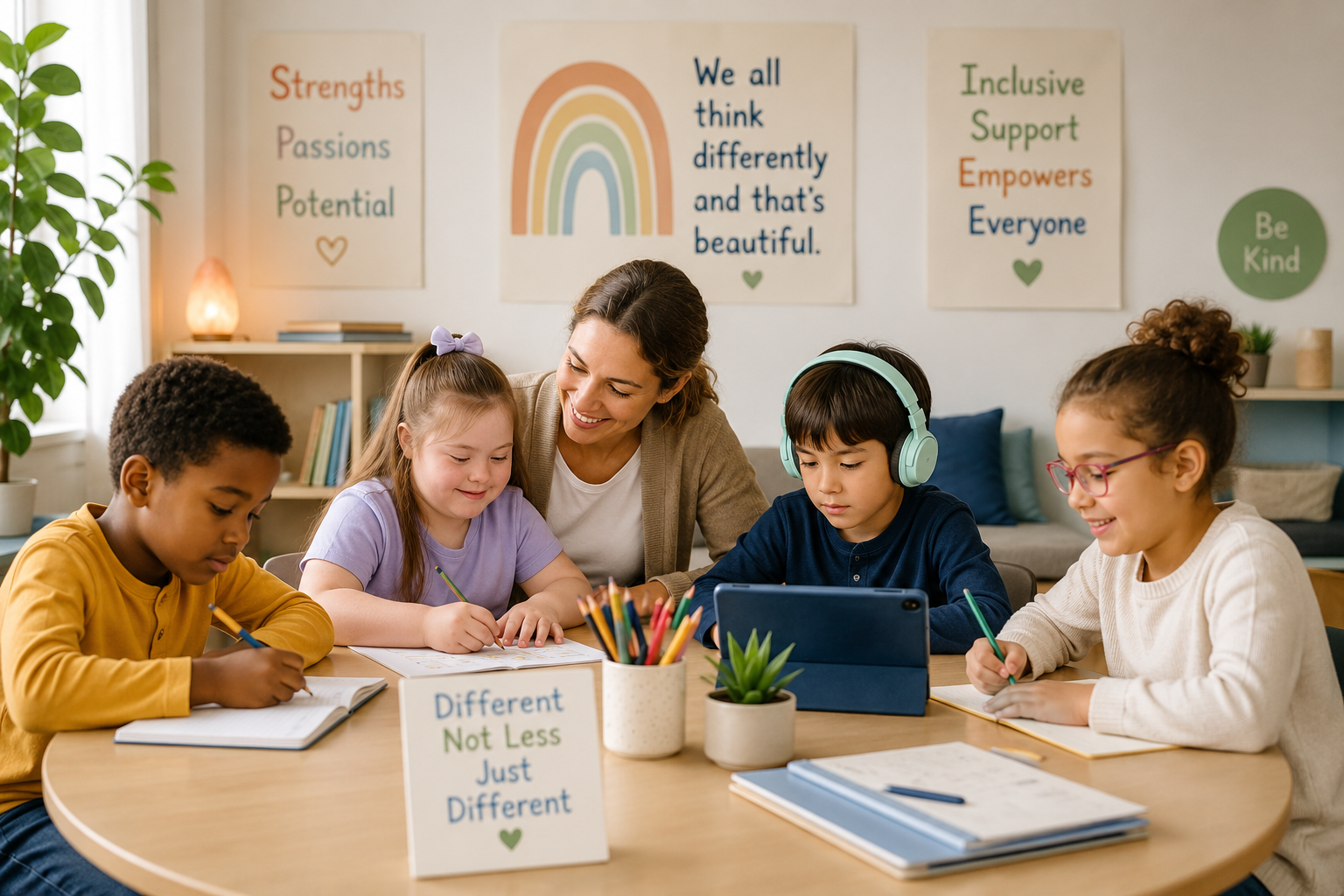
Different Does Not Mean Less

Learners may process information differently, need alternative teaching approaches or require support structures to participate meaningfully.

Inclusive Education Matters

Inclusive education focuses on removing barriers and creating environments where learners can access learning with dignity and support.
How support can help

Support should be individualised, collaborative and responsive to the learner’s emotional, educational and developmental needs.

Assessment & Understanding

Psycho-educational assessment can help identify strengths, learning needs, barriers and support recommendations.

Classroom Support

Accommodations, environmental adjustments and teaching strategies can support participation, confidence and learning access.

Emotional Support

Learners may need support with anxiety, self-esteem, emotional regulation, social experiences or school-related stress.

Parent & School Collaboration

Consistent communication and collaborative planning between home and school can strengthen learner support.

Neurodiverse learners do not all need the same support. Understanding the learner as a whole person helps create pathways for confidence, inclusion, participation and growth.

Need support or guidance?

You are welcome to make contact to discuss psycho-educational assessment, learner support, emotional wellbeing or school-based intervention planning.

Contact Denise